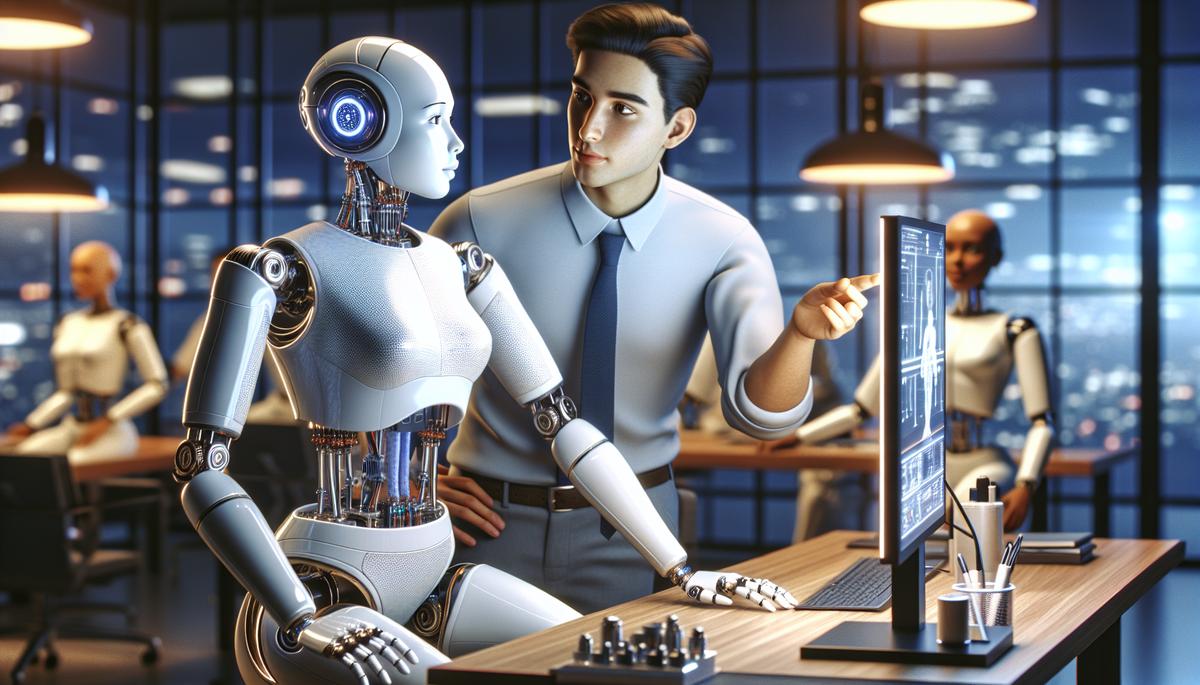
Physical AI: The Strategic Advantage for Manufacturing
Introduction
For decades, the manufacturing sector has invested in automation to enhance efficiency, reduce costs, and stabilize operations. While these efforts have yielded results, the current landscape demands a more innovative approach. Industry leaders are confronted with a new reality: how to grow amidst labor constraints, rising complexity, and increasing pressure to innovate swiftly, while maintaining safety, quality, and trust.
The Emergence of Physical AI
Physical AI represents a significant advancement in industrial automation. Unlike traditional automation, which often relies on rigid systems, physical AI integrates artificial intelligence elements into material processes, enabling machines to adapt and learn in real-time. This flexibility is crucial in a modern production environment where customer demands shift rapidly and supply chains become increasingly complex.
Advantages of Physical AI in Manufacturing
1. Operational Optimization
Integrating physical AI allows manufacturers to better manage their resources and optimize their processes. By analyzing data in real-time, these systems can identify inefficiencies and suggest immediate adjustments, reducing downtime and enhancing productivity. In my experience, companies that adopt these technologies see a significant increase in their output.
2. Cost Reduction
By automating complex, repetitive tasks, physical AI can contribute to reduced labor costs. Furthermore, by minimizing human errors, it helps decrease costs associated with waste and rework. This cost optimization is essential for remaining competitive in the global market, where margins are often tight.
3. Rapid Innovation
With physical AI, manufacturers can respond more quickly to changing market needs. By gaining better insights into production data and market trends, they can develop new products and adjust their offerings based on consumer demands. This agility is a key factor for success in a dynamic business environment.
Challenges to Overcome
While physical AI offers numerous advantages, its adoption is not without challenges. Companies must invest in training their personnel to ensure they are proficient with these new technologies. Additionally, implementing physical AI systems often requires significant upfront investments. Therefore, it is crucial for decision-makers to weigh the potential return on investment before proceeding.
Conclusion
Physical AI is poised to become a strategic asset for the manufacturing sector. By enabling better operational optimization, cost reduction, and enhanced innovation capabilities, it addresses contemporary industry challenges. Companies that successfully integrate these technologies into their processes will be better positioned to grow and thrive in an ever-evolving market.
To learn more about how physical AI can transform your manufacturing business, Contactez-moi.