Decoding the Creativity of Diffusion Models
Introduction
The creativity of diffusion models in artificial intelligence (AI) is gaining increasing interest in the tech field. These models, which generate images, sounds, and other forms of content, often seem to capture a creative essence that could be associated with human artists. But how does this creativity truly manifest?
Understanding Diffusion Models
Diffusion models are learning systems that train on large amounts of data. By distilling this data, they can create new works that are not direct copies of the originals. This raises crucial questions about the nature of creativity itself: is it merely a recombination of existing elements, or can it lead to genuinely innovative ideas?
The Importance of Data Diversity
One fundamental aspect that influences the creativity of diffusion models is the diversity of the datasets used for training. The more varied the data, the more likely the model is to learn unexpected associations. This can lead to unique creations, but it also depends on the quality and relevance of the data. In the real estate sector, for example, a well-trained model could generate innovative design concepts for living spaces by combining elements from various architectural styles.
Creativity as an Adaptive Process
The creativity of diffusion models can also be seen as an adaptive process. These systems do not merely reproduce; they adapt and evolve based on feedback. For instance, by integrating user critiques and preferences, a model can refine its creations to better meet market expectations. This is particularly relevant in real estate marketing, where understanding client tastes is crucial for presenting appealing offers.
Limits and Challenges
However, the creativity of diffusion models should not be overstated. These systems have inherent limitations. They can sometimes produce incoherent results or outputs disconnected from reality. In the real estate sector, a design proposal generated by a model may be aesthetically pleasing but impractical in reality. Therefore, it is essential to couple AI with human expertise to ensure that creations are not only innovative but also functional.
Towards Human-Machine Collaboration
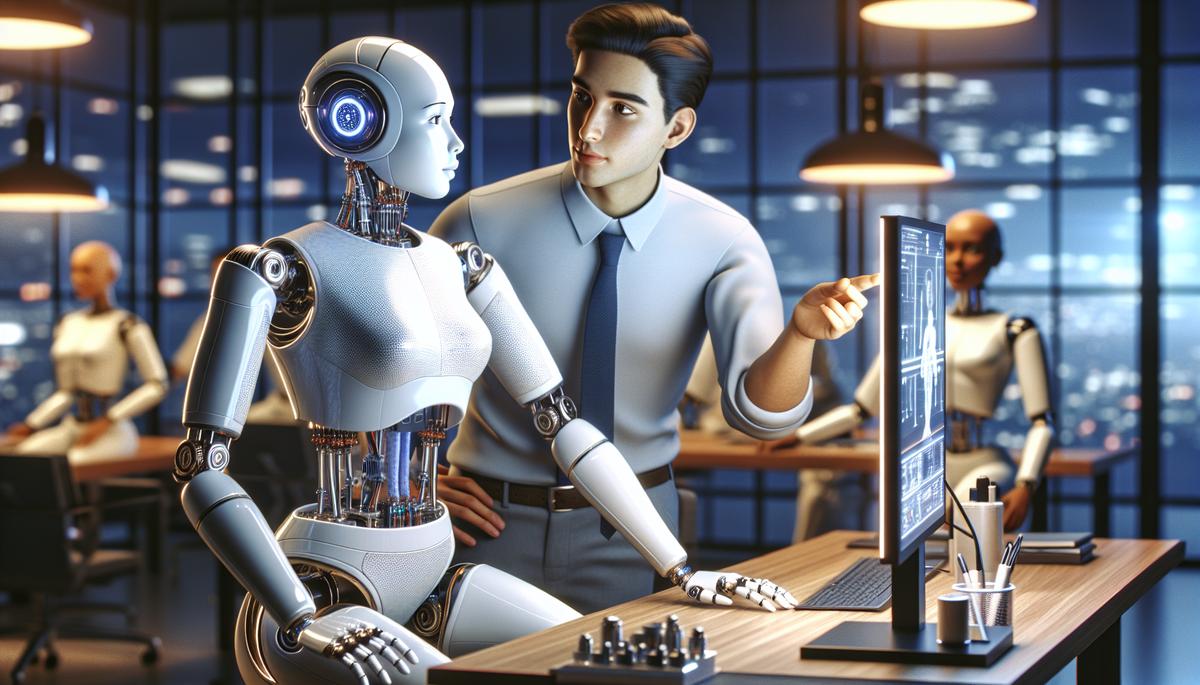
The future lies in the synergy between human and artificial intelligence. By integrating diffusion models into the creative process, marketing and real estate professionals can benefit from a powerful tool for generating ideas. As an expert in marketing and real estate, I believe the key lies in harmonizing human skills with the capabilities of diffusion models. This will allow for the transformation of innovative concepts into concrete realities.
Conclusion
The creativity of diffusion models represents a fascinating advance in the field of artificial intelligence. While it presents undeniable benefits, it is essential to understand its limitations and frame its use with human expertise. By embracing this technology, we can pave the way for innovations that will redefine the landscape of marketing and real estate.
To discuss further how these models can transform your marketing or real estate approach, Contactez-moi.