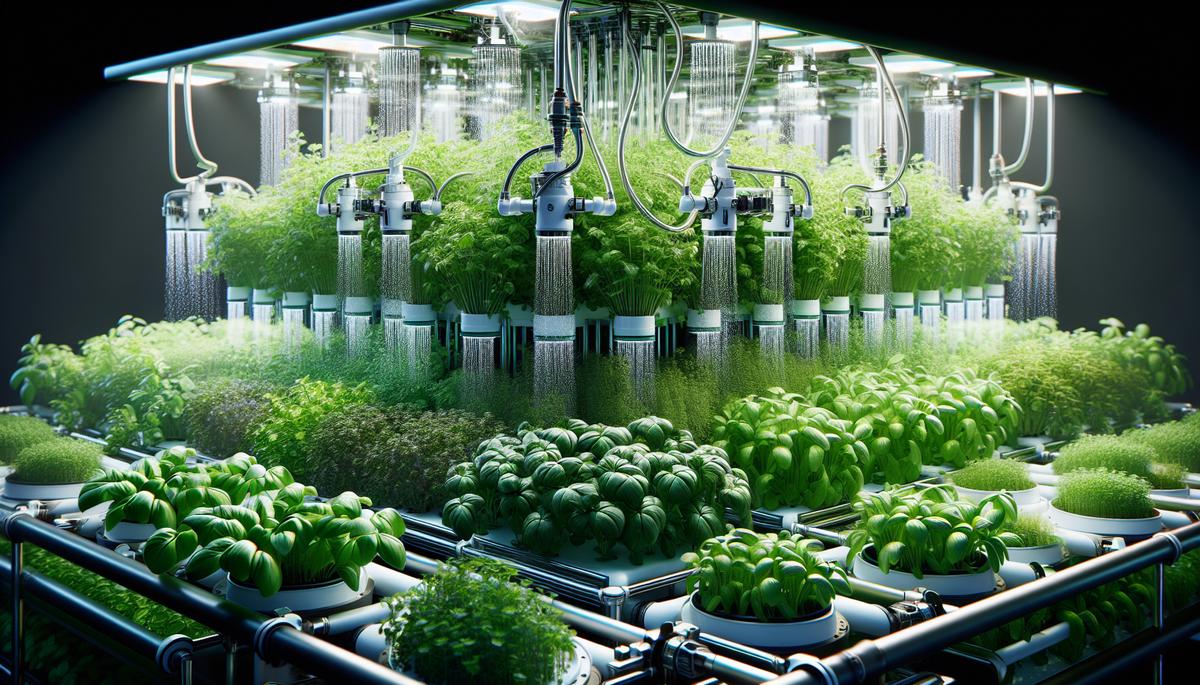
Setting Up a Vertical Farm with Aeroponic Towers in Martinique
Introduction
Agriculture in Martinique faces unique challenges, including water resource management and the need for sustainable food production. Establishing vertical farms using aeroponic towers offers a promising solution to address these issues. This innovative method not only optimizes space but also reduces water consumption while increasing yields.
What is Aeroponics?
Aeroponics is a growing technique that allows plants to thrive without soil, using a nutrient mist to provide essential elements for their development. Unlike traditional methods, this approach offers several advantages, including faster growth and efficient resource use. In Martinique, where agricultural space is limited, aeroponic towers are particularly well-suited.
Advantages of Aeroponic Towers
Aeroponic towers present several benefits:
1. Space Efficiency: Vertical farms allow for multiple levels of plants to be cultivated on a reduced surface area.
2. Reduced Water Consumption: With a misting system, water needs are minimized, which is crucial in a region where water management is essential.
3. Rapid Food Production: Plants grown aeroponically tend to grow faster than those grown in soil, enabling more frequent harvests.
4. Fewer Diseases: The absence of soil reduces plant disease risks, minimizing pesticide use.
Steps for Setting Up a Vertical Farm
Establishing a vertical farm in Martinique requires careful planning and methodical execution. Here are the key steps:
1. Site Assessment: Choose a strategic location considering factors like water access, sunlight, and proximity to markets.
2. System Design: Design an aeroponic tower system tailored to the specific needs of the desired crops, integrating technologies to maximize efficiency.
3. Equipment Acquisition: Source quality materials to ensure proper system functionality. This includes pumps, tanks, LED lights, and nutrients.
4. Installation and Testing: Install the towers and conduct tests to ensure the system operates correctly before starting cultivation.
5. Crop Selection: Choose plants suitable for aeroponic cultivation, such as herbs, leafy greens, and certain vegetables.
6. Monitoring and Optimization: Implement a monitoring system to adjust growth parameters and optimize yields.
Future Perspectives
The future of agriculture in Martinique could be radically transformed by the adoption of technologies like aeroponics. By integrating these systems, local farmers can not only improve their food autonomy but also tackle environmental and economic challenges. Training and awareness initiatives will also be crucial to ensure successful adoption of these technologies.
Conclusion
Installing aeroponic towers in Martinique presents an opportunity to modernize agriculture and meet the growing demands for food production. As a marketing and artificial intelligence expert, I also see tremendous potential in utilizing data and analytics to optimize these growing systems. If you are interested in implementing this type of project or want to learn more, feel free to contact me.