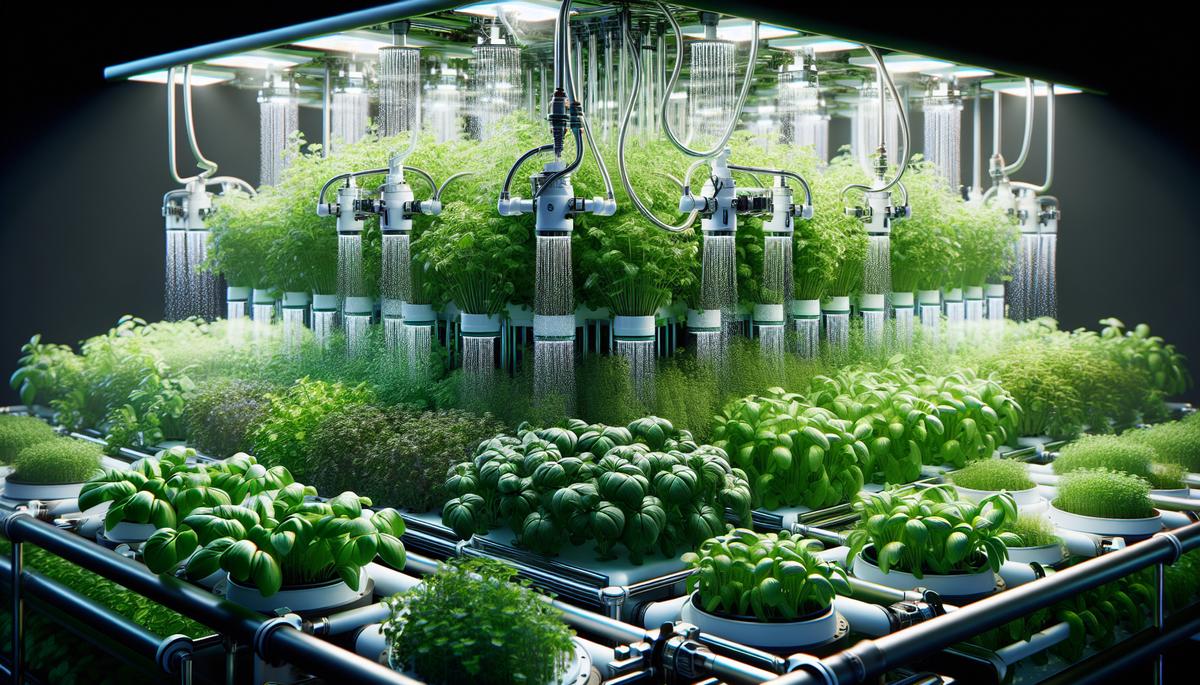
Growing Thanos F1 Eggplants on Aeroponic Towers
Introduction to Aeroponic Agriculture
Aeroponic farming represents a revolutionary advancement in plant cultivation. By utilizing this technique, plant roots are exposed to a nutrient-rich environment while suspended in the air, optimizing their growth and development. Among the popular varieties cultivated using this method, the Thanos F1 eggplant stands out for its productivity and resilience.
Why Choose Thanos F1 Eggplants?
Thanos F1 eggplants are known for their high yield and adaptability to modern cultivation systems. Their glossy skin and firm flesh make them a favorite among chefs and consumers alike. Additionally, they exhibit increased resistance to diseases, which is a significant advantage for producers looking to minimize pesticide use.
Advantages of Aeroponic Farming for Eggplants
Using aeroponic towers to grow Thanos F1 eggplants offers several benefits:
1. Space Efficiency: Aeroponic towers allow for multiple plants to be grown in a reduced space, making them ideal for urban areas or small farms.
2. Reduced Water Consumption: This method uses up to 90% less water than traditional farming, making cultivation more sustainable.
3. Accelerated Growth: Optimized conditions promote faster plant development, enabling more frequent harvests.
4. Superior Quality: Eggplants grown in aeroponics often have better flavor and texture, appealing to discerning consumers.
Setting Up an Aeroponic System
Choosing Equipment
To start, selecting the right equipment is crucial. Aeroponic towers should be designed to ensure adequate air circulation and good light access. Various models are available on the market, each offering different features. It is advisable to choose a modular system that can be adapted to your production scale.
Preparing the Growing Medium
Thanos F1 eggplants require a nutrient-rich growing medium. Use specific nutrient solutions that promote healthy growth. It is advisable to follow the manufacturer's recommendations for the concentration and pH of the nutrient mix.
Sowing and Germination
Eggplant seeds should be sown in seedling trays filled with a light substrate. Once they develop a few true leaves, they can be transplanted into the aeroponic system. Ensure proper spacing between plants to allow for good air circulation.
Maintenance and Monitoring
Condition Monitoring
Constant monitoring of climatic conditions is essential. Thanos F1 eggplants thrive in ambient temperatures of 20 to 25°C. Humidity levels should also be monitored to prevent fungal diseases.
Fertilization
Fertilization should be regular and tailored to the plants' needs. Monitoring nutrient levels in the water reservoir is necessary to adjust inputs according to the growth phase of the eggplants.
Harvesting and Marketing
Once the fruits have reached their optimal size, it is time to harvest. Eggplants should be picked carefully to avoid damaging the plant. Regarding marketing, Thanos F1 eggplants can be sold directly to consumers or through distribution channels. Local markets and restaurants are good points of sale, especially if you highlight the quality and origin of your production.
Conclusion
Growing Thanos F1 eggplants on aeroponic towers is an effective and sustainable method that can transform your approach to agriculture. Not only does this technique optimize space and water, but it also allows for the production of high-quality vegetables. If you are considering venturing into aeroponic farming, do not hesitate to explore the opportunities it offers.
For more information or a consultation on setting up an aeroponic system for your crops, Contact me.