The Impact of Google I/O on the Future of AI-Driven Science
A Bold Statement
During the Google I/O conference, Demis Hassabis, CEO of Google DeepMind, stated that we are currently 'standing at the foothills of the singularity.' This bold claim raises questions about the future of artificial intelligence and its potential to transform our world. The singularity, often discussed in theoretical terms, represents that hypothetical moment when AI exceeds human intelligence, leading to radical changes in our societies.
The Evolution of Artificial Intelligence
In recent years, we have witnessed unprecedented technological advancements in AI. AI systems, particularly those powered by deep learning, have demonstrated impressive capabilities in areas such as image recognition, natural language processing, and even artistic creation. These advances suggest that the line between human and machine is becoming increasingly blurred.
A New Era for Scientific Research
The impact of these technologies on scientific research is immense. Sophisticated algorithms can now analyze massive datasets at unparalleled speeds, allowing researchers to draw conclusions more quickly and formulate new hypotheses. For example, in the field of biology, AI can help identify new therapeutic targets for complex diseases by analyzing genomic data.
The Importance of an Ethical Approach
However, as we move toward this new era, it is crucial to adopt an ethical and responsible approach to AI. Algorithmic biases and data security are major concerns that must be addressed. Tech companies and researchers need to work together to ensure that AI is used beneficially for humanity as a whole.
The Future of Human-Machine Interaction
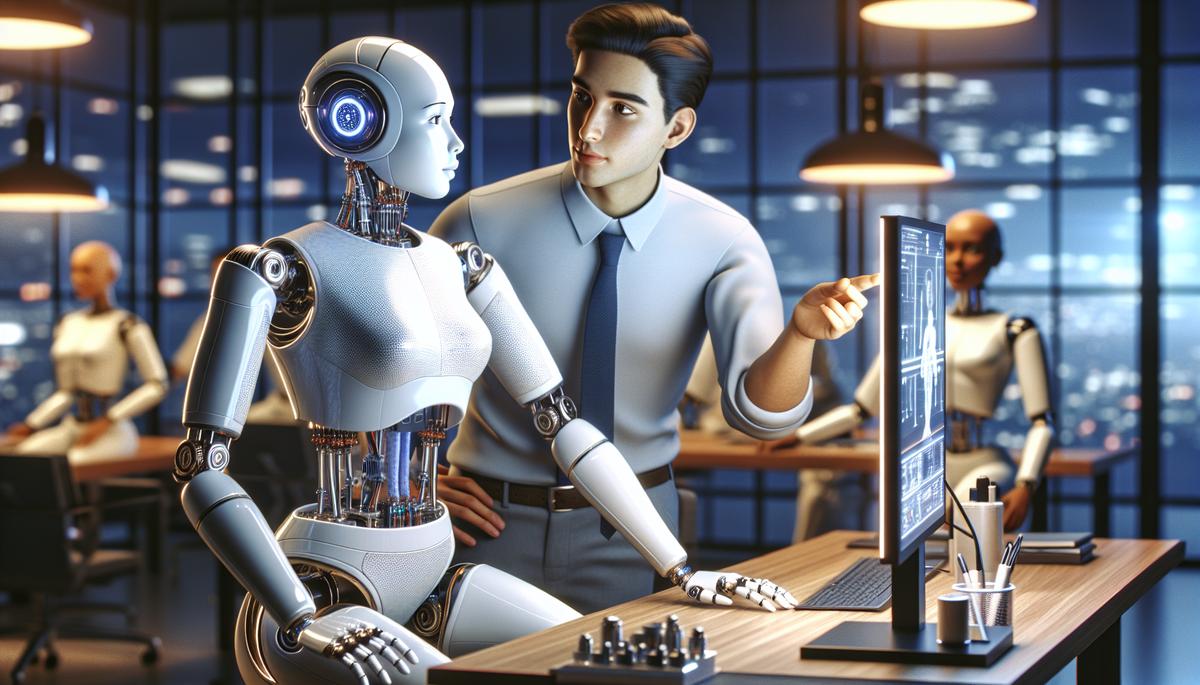
At the same time, human-machine interactions are evolving. AI tools are no longer just automating tasks; they are beginning to collaborate with researchers, enhancing their creativity and innovation capacity. This paves the way for a new dynamic in the scientific world where AI becomes a strategic partner rather than a mere tool.
Conclusion: A Call to Action
The advancements showcased at Google I/O underscore the importance of preparing the next generation of researchers and innovators to navigate this ever-changing landscape. Universities and institutions must integrate AI programs into their curricula to equip future scientists with the necessary skills to leverage these technologies. Promoting a culture of responsible innovation is also essential.
To discuss the implications of artificial intelligence in your field or to explore how you can integrate these technologies, feel free to contact me.