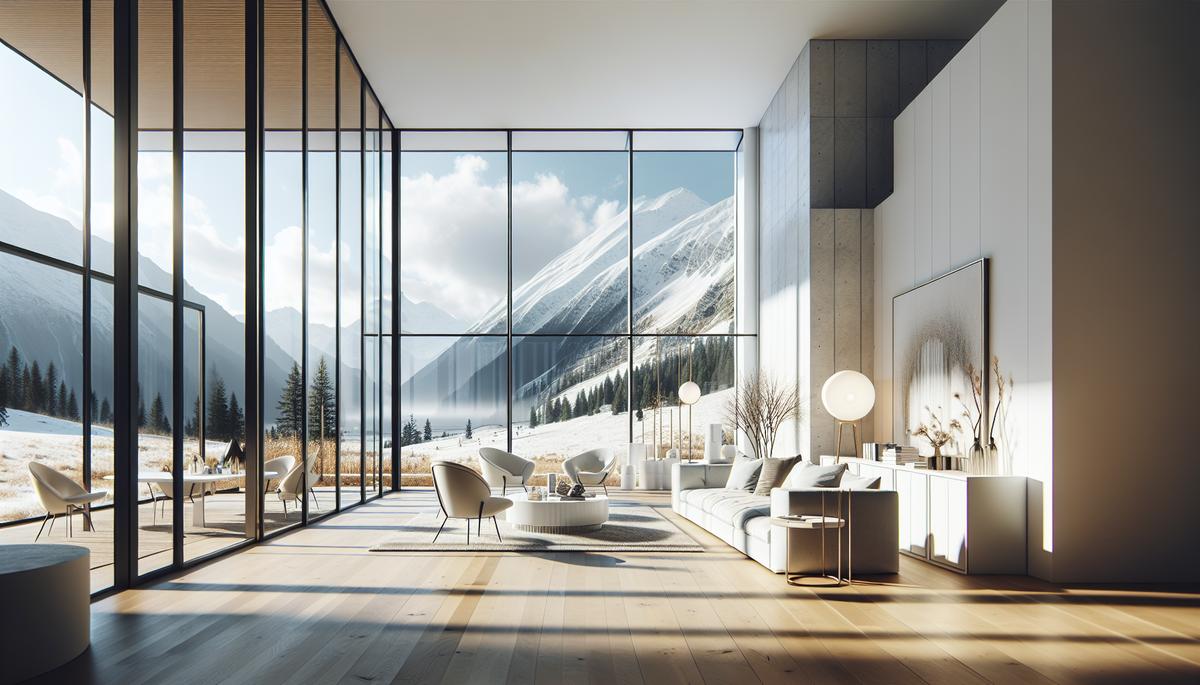
The Timber Strategy That Alters Real Estate Calculations
Introduction
In a constantly evolving real estate market, it is essential to explore innovative strategies to stand out. One promising approach is the use of timber, which proves to be much more than just a construction material. In this article, we will examine how this natural resource can transform the way we design and execute our real estate projects.
Timber, an Underestimated Material
Timber has long been viewed as a traditional choice, often overshadowed by modern materials like steel or concrete. However, it possesses unique characteristics that can revolutionize our construction methods. Its lightness, durability, and reduced environmental impact make it an attractive option for environmentally conscious real estate developers.
Economic Advantages of Timber
One of the main benefits of timber lies in its cost. By using timber, contractors can cut expenses related to materials and labor. Furthermore, the speed of construction offered by timber often leads to shorter delivery times, resulting in increased profitability for investors. As a real estate expert, I have observed that the flexibility provided by timber also allows for quick adaptations to market demands.
Positive Environmental Impact
In a context where ecology is a primary concern, timber emerges as a responsible choice. Its ability to absorb carbon dioxide makes it a top material for sustainable constructions. By integrating practices such as sustainable forest management, developers can not only meet the growing consumer expectations but also position themselves as conscious players in environmental issues.
Innovation Through Technology
Technology plays a central role in transforming the real estate sector. Modular construction methods using timber elements are on the rise. These techniques maximize efficiency, reduce waste, and improve project quality. As an expert, I recommend exploring these innovations to remain competitive in the market.
Inspiring Case Studies
Several recent projects perfectly illustrate the potential of timber in real estate. Residential buildings constructed primarily of timber have not only met sustainability standards but have also attracted investor attention due to interesting returns. For instance, some cities in Switzerland are beginning to adopt regulations favoring timber constructions, highlighting the growing importance of this resource.
Conclusion
In summary, timber represents a unique opportunity for real estate professionals. By adopting this approach, you can not only reduce costs and timelines but also contribute to a more sustainable future. It is time to reconsider timber as a fundamental pillar of modern real estate.
If you are interested in how these strategies can be integrated into your projects, feel free to Contact me to discuss further.