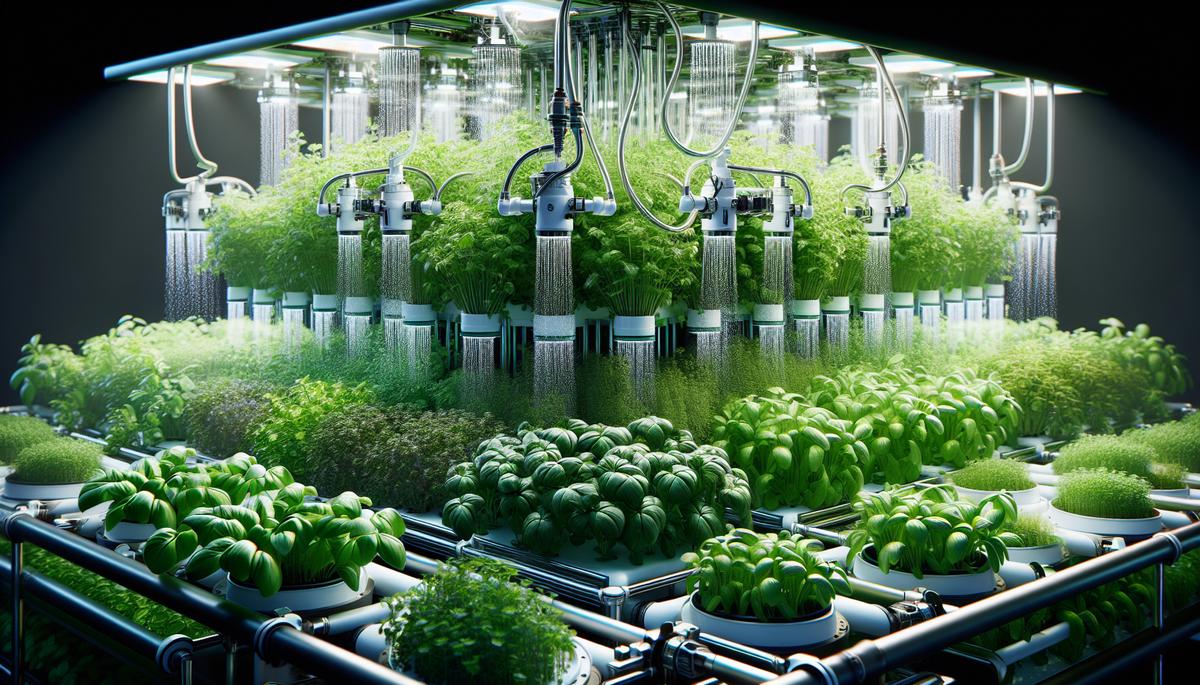
The Future of Tomatoes: Production Without Plants?
A Revolutionary Innovation
Research in vertical farming and sustainable food production is taking a fascinating turn thanks to the work of Wageningen University & Research and Utrecht University. Their latest study proposes a bold approach to growing tomatoes without using traditional plants. This idea could revolutionize our methods of fruit production and consumption.
Understanding the Concept
The concept of growing tomatoes without plants is based on advancements in cellular biology and engineering. Instead of starting with a seed and growing a plant, researchers envision cultivating tomato cells directly in the lab. This technique would produce tomatoes that retain their nutritional and taste qualities while significantly reducing the ecological footprint of their production.
Potential Benefits
Resource Reduction
Traditional agriculture requires large amounts of water, land, and fertilizers. By cultivating tomatoes directly from cells, it would be possible to significantly reduce these needs. This could lead to more sustainable farming practices, especially in areas where resources are limited.
Fast and Controlled Growth
Another promise of this method is the possibility of greater control over growth conditions. In the lab, scientists can optimize parameters such as light, temperature, and nutrients, ensuring a high-quality harvest in record time. This approach could also minimize the risks of diseases and pests.
Impact on Food Security
With a constantly growing global population, food security is a major concern. By innovating in food production, we can meet rising demand while minimizing environmental impact. Growing tomatoes without plants could contribute to a more stable and accessible food supply.
Challenges to Overcome
Social Acceptability
Despite the technical advantages, such innovation will not be without challenges. Public acceptance is a crucial aspect. Consumers are often hesitant about products derived from unconventional methods. It will be essential to educate the public about the benefits of this approach to foster acceptance.
Regulations and Ethics
Regulatory and ethical questions must also be considered. The production of plant cells in the lab raises concerns about intellectual property, food safety standards, and the impact on traditional farmers. A clear regulatory framework will be necessary to support this transition.
A Personal Perspective
As an expert in marketing and real estate, I believe that technological innovation is essential for the future of our agriculture. The ability to produce tomatoes without plants could not only transform the agricultural sector but also open up new economic opportunities in areas such as commercial real estate and logistics, where suitable infrastructures will be required.
Conclusion
The idea of growing tomatoes without plants is fascinating and paves the way for a multitude of possibilities. It is crucial to continue exploring this avenue while considering social and ethical implications. The future of agriculture could be more sustainable and efficient, but it will require an open dialogue among scientists, consumers, and policymakers.
To learn more about the impact of such innovations on our society and environment, Contactez-moi.